
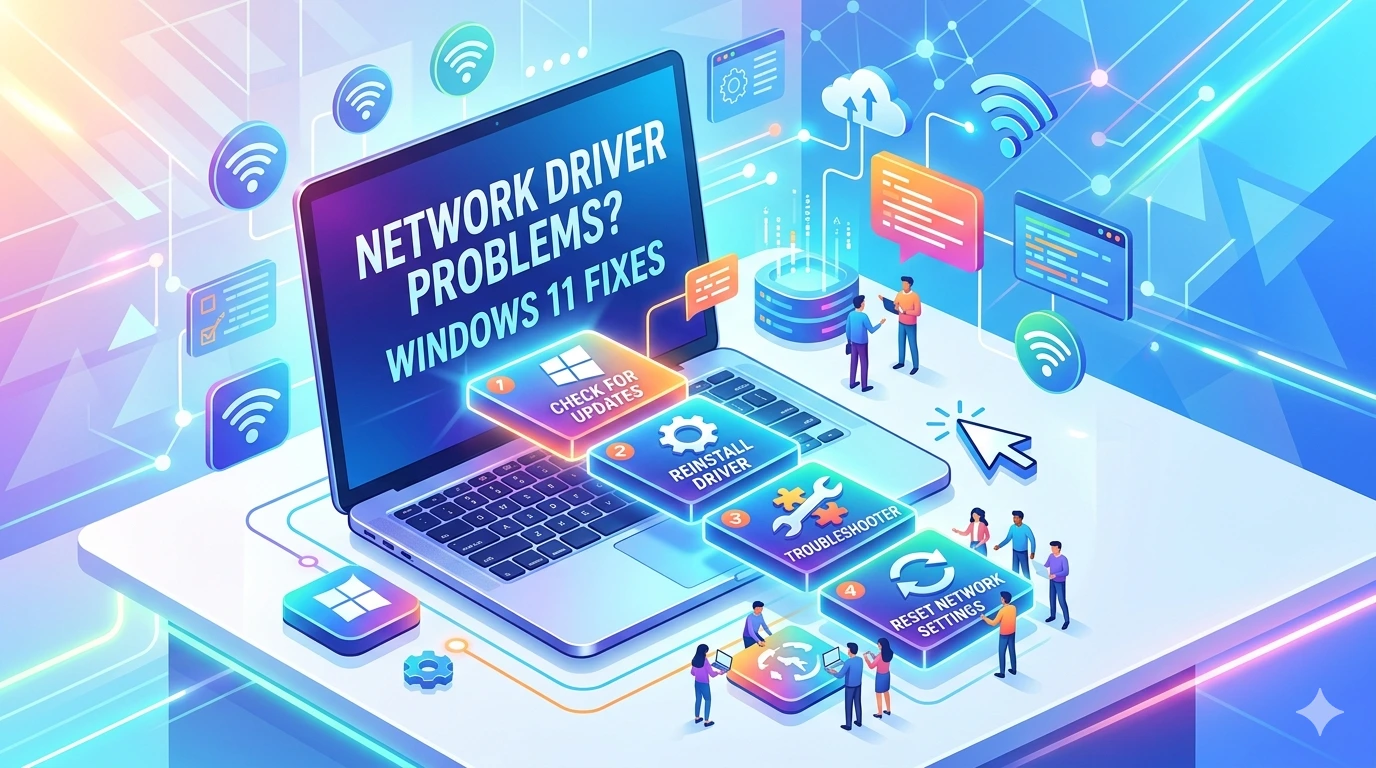
Networking is the lifeline of modern computing. From browsing the web and streaming media to participating in online meetings and cloud‑based collaboration, reliable connectivity is essential. In Windows 11, network drivers play a critical role in ensuring that hardware components such as Ethernet adapters and Wi‑Fi cards communicate effectively with the operating system.
When network drivers malfunction, the impact is immediate and disruptive. Users may experience dropped connections, slow speeds, or complete inability to access the internet. Unlike minor glitches in other subsystems, network failures halt productivity, isolate users from online resources, and undermine both personal and professional tasks.
Why Network Drivers Matter in Windows 11
Drivers are software components that translate operating system commands into instructions that hardware can understand. For networking, drivers enable Windows 11 to manage data transmission across wired and wireless connections. Without stable drivers, even high‑end hardware cannot deliver consistent performance.
Windows 11 emphasizes seamless connectivity, offering features such as improved Wi‑Fi 6 support, enhanced VPN integration, and optimized Ethernet performance. These features depend entirely on driver stability. A corrupted or outdated driver can disable advanced functions, leaving users with unreliable or insecure connections.
The Growing Complexity of Network Ecosystems
Modern networking involves more than simple internet access. Users rely on multiple layers of connectivity:
- Ethernet adapters for stable wired connections.
- Wi‑Fi cards for wireless mobility.
- Bluetooth modules for peripheral communication.
- VPN clients for secure remote access.
Each component requires proper driver support. Furthermore, users often switch between networks—home, office, public hotspots—introducing potential conflicts. Windows updates may replace manufacturer drivers with generic versions, or new security features may block outdated drivers. Understanding these dynamics is crucial for troubleshooting.
Common Symptoms of Network Driver Problems
Users typically encounter one or more of the following issues:
- No internet access: Windows reports “No network detected” despite hardware being connected.
- Frequent disconnections: Wi‑Fi drops intermittently, forcing reconnections.
- Slow speeds: Bandwidth is significantly lower than expected.
- Error messages: Codes such as “Driver unavailable” or “Network adapter not responding.”
- VPN failures: Secure connections fail due to driver incompatibility.
These symptoms directly affect productivity and can prevent users from completing essential tasks.
The Importance of Systematic Troubleshooting
Network driver problems can feel overwhelming, especially when they occur during critical activities such as online meetings or file transfers. However, most issues can be resolved through systematic troubleshooting. Windows 11 provides built‑in tools such as the Network Troubleshooter and Device Manager, while manufacturers release updated drivers to address compatibility concerns.
By approaching network driver problems methodically—starting with basic checks and progressing to advanced solutions—users can restore connectivity without resorting to drastic measures like reinstalling the operating system. This structured approach saves time and reduces frustration.
Why This Guide Matters
This article is designed to serve as a comprehensive resource for Windows 11 users facing network driver challenges. It will:
- Explain the root causes of common network issues.
- Provide step‑by‑step instructions for resolving them.
- Offer advanced techniques for persistent problems.
- Share preventive strategies to minimize future disruptions.
By following this guide, users will gain both practical solutions and a deeper understanding of how network drivers function within Windows 11. This knowledge empowers them to troubleshoot confidently, ensuring that connectivity remains reliable across all environments.
Common Issues
Network driver problems in Windows 11 can manifest in many ways, ranging from intermittent disconnections to complete loss of connectivity. Because drivers are the essential communication link between the operating system and networking hardware, even small errors can disrupt internet access. Below are the most common issues users face, along with explanations of why they occur.
1. No Internet Access
One of the most disruptive problems is when Windows reports “No network detected” or “No internet access.”
- Causes:
- Missing or corrupted drivers.
- Disabled network adapters in Device Manager.
- Incorrect IP or DNS configurations.
- Impact: Users cannot browse, stream, or connect to online services, halting productivity.
2. Frequent Disconnections
Wi‑Fi connections may drop intermittently, forcing users to reconnect.
- Causes:
- Outdated drivers incompatible with Wi‑Fi 6 or newer standards.
- Power management settings disabling adapters to save energy.
- Conflicts with router firmware.
- Impact: Disconnections disrupt video calls, downloads, and cloud collaboration.
3. Slow Internet Speeds
Even when connected, users may experience bandwidth far below expectations.
- Causes:
- Drivers failing to optimize throughput.
- Incorrect duplex or speed settings in adapter properties.
- Background processes consuming bandwidth.
- Impact: Streaming quality drops, downloads take longer, and online gaming becomes unstable.
4. Adapter Not Detected
Sometimes Windows fails to recognize the Ethernet or Wi‑Fi adapter entirely.
- Causes:
- Incomplete driver installation after updates.
- BIOS misconfiguration disabling onboard adapters.
- Hardware faults in the network card.
- Impact: Users cannot connect until the adapter is restored.
5. Error Messages in Device Manager
Windows provides diagnostic codes for network issues. Common ones include:
- Code 10 – Device cannot start.
- Code 31 – Device not working properly.
- Code 43 – Device reported problems.
These codes indicate deeper driver‑level failures requiring targeted troubleshooting.
6. VPN Failures
Secure connections may fail due to driver incompatibility.
- Causes:
- Outdated drivers unable to handle encryption protocols.
- Conflicts between VPN clients and Windows networking stack.
- Impact: Remote workers lose access to corporate resources.
7. Compatibility Issues After Updates
Many users report network problems immediately after installing Windows updates.
- Causes:
- Windows replacing manufacturer drivers with generic versions.
- Incomplete migration of driver settings.
- Conflicts with new system features such as enhanced firewall rules.
- Impact: Stable connections suddenly fail after updates.
8. IPv6 and DNS Problems
Incorrect configurations can block access to certain websites.
- Causes:
- Drivers not optimized for IPv6.
- Misconfigured DNS servers.
- Impact: Users may connect to the internet but fail to load specific sites.
9. Bluetooth Networking Issues
Some users rely on Bluetooth tethering or PAN (Personal Area Network).
- Causes:
- Drivers not optimized for Bluetooth networking.
- Conflicts with Wi‑Fi adapters.
- Impact: Connectivity becomes unstable or unavailable.
10. Security and Malware Interference
Malware can corrupt or disable network drivers.
- Causes:
- Unauthorized modifications to driver files.
- Registry corruption affecting networking services.
- Impact: Users lose connectivity and face potential data breaches.
Why Identifying Common Issues Matters
Recognizing these patterns allows users to troubleshoot logically. Instead of guessing, they can match symptoms to likely causes and apply targeted fixes. This structured approach reduces downtime and ensures that solutions are effective rather than temporary.
Network Driver Problems in Windows 11 – Step‑by‑Step Fixes
Network driver problems can be disruptive, but most can be resolved through systematic troubleshooting. By following a logical sequence of steps, users can restore connectivity without unnecessary hardware replacements or full system reinstalls.
Step 1: Verify Physical and Wireless Connections
- For Ethernet: Ensure the cable is securely connected to both PC and router.
- For Wi‑Fi: Confirm the PC is connected to the correct SSID.
- Check router/modem lights for connectivity status.
Connection issues often mimic driver problems, so this is the first step.
Step 2: Confirm Adapter Settings in Windows
- Open Settings → Network & Internet → Advanced network settings.
- Ensure the adapter is enabled.
- If disabled, click Enable to restore functionality.
Incorrect settings can prevent Windows from using the driver properly.
Step 3: Run the Windows Network Troubleshooter
Windows 11 includes a built‑in tool for diagnosing connectivity issues.
- Navigate to Settings → System → Troubleshoot → Other troubleshooters.
- Select Network Adapter → Run.
- Follow prompts as Windows scans for problems.
The troubleshooter can reset adapters, reconfigure drivers, and apply quick fixes automatically.
Step 4: Check Device Manager
Device Manager provides direct insight into driver status.
- Press Win + X → Device Manager.
- Expand Network adapters.
- Look for warning icons next to devices.
- Right‑click → Update driver or Uninstall device.
If uninstalled, restart the PC. Windows will attempt to reinstall the driver automatically.
Step 5: Update or Reinstall Drivers
Outdated drivers are a leading cause of network failures.
- Visit the manufacturer’s website (Intel, Realtek, Qualcomm).
- Download the latest drivers for your adapter model.
- Install manually, following on‑screen instructions.
Manual installation ensures compatibility and restores advanced features such as Wi‑Fi 6 or VPN support.
Step 6: Roll Back Drivers
If problems began after a recent update, revert to the previous version.
- In Device Manager, right‑click adapter → Properties.
- Navigate to Driver → Roll Back Driver.
- Confirm and restart.
Rolling back restores stability when new drivers introduce incompatibility.
Step 7: Reset TCP/IP Stack
Corrupted networking protocols can block connectivity.
- Open Command Prompt as Administrator.
- Run:
netsh int ip reset netsh winsock reset ipconfig /flushdns - Restart the PC.
Resetting clears misconfigurations and restores driver communication.
Step 8: Adjust Power Management Settings
Windows may disable adapters to save energy.
- Open Device Manager → Network adapters.
- Right‑click adapter → Properties.
- Under Power Management, uncheck Allow the computer to turn off this device to save power.
This step is crucial for laptops where aggressive power saving interferes with networking.
Step 9: Test with Another Network
Sometimes the issue lies with the router, not the driver.
- Connect to a different Wi‑Fi network.
- Test Ethernet with another cable or port.
If connectivity works elsewhere, the driver is not the culprit.
Step 10: Use System Restore
If problems began after a recent change, revert to a restore point.
- Search System Restore in Start menu.
- Select a restore point prior to the issue.
- Follow prompts to roll back system changes.
System Restore is a last resort but can undo problematic updates.
Practical Example
Consider a remote worker whose Wi‑Fi drops repeatedly after a Windows update. By following these steps:
- They confirm the adapter is enabled in settings.
- Run the troubleshooter, which resets the adapter.
- Device Manager shows a corrupted Realtek driver.
- They reinstall the driver from Realtek’s website.
- Connectivity is restored, allowing them to continue video calls without interruption.
Why Step‑by‑Step Fixes Work
This structured approach ensures that simple solutions are tried first, reducing risk and saving time. It also prevents unnecessary hardware replacements, as most network problems stem from software conflicts rather than physical faults.
Advanced Solutions
Basic troubleshooting often resolves network driver problems, but some cases require advanced interventions. These solutions target deeper system layers such as BIOS, registry, and protocol configurations. They are especially useful for users who continue to experience instability after exhausting standard fixes.
1. BIOS Updates and Settings
Network adapters are managed at the firmware level, and outdated BIOS versions can cause driver conflicts.
- Access BIOS/UEFI: Press Del/F2 during startup.
- Ensure onboard LAN or Wi‑Fi adapters are enabled.
- Visit the motherboard manufacturer’s website for BIOS updates.
Updating BIOS can resolve compatibility issues between Windows 11 and older adapters, improving stability.
2. Compatibility Mode Installation
Some drivers may not yet be fully optimized for Windows 11. Installing them in compatibility mode can restore functionality.
- Right‑click the driver installer → Properties.
- Navigate to Compatibility tab.
- Select Run this program in compatibility mode for Windows 10.
- Apply and run the installer.
This approach is effective for legacy adapters whose manufacturers have not released dedicated Windows 11 drivers.
3. Registry Tweaks
Corrupted registry entries can destabilize network drivers.
- Press Win + R → type regedit.
- Navigate to HKEY_LOCAL_MACHINE → SYSTEM → CurrentControlSet → Control → Class → {4D36E972-E325-11CE-BFC1-08002BE10318}.
- Review subkeys for corrupted or duplicate entries.
- Delete cautiously, then reinstall drivers.
⚠️ Always back up the registry before making changes.
4. Reset Network Components
Windows allows resetting all networking components.
- Open Settings → Network & Internet → Advanced network settings.
- Select Network reset.
- Restart the PC.
This reinstalls adapters and clears misconfigurations, restoring driver communication.
5. Advanced Power Management Adjustments
On laptops, aggressive power saving can disable adapters.
- Open Device Manager → Network adapters.
- Right‑click adapter → Properties.
- Under Advanced, adjust settings such as “Energy Efficient Ethernet” or “Power Saving Mode.”
- Disable if causing instability.
This ensures adapters remain active during heavy workloads.
6. Firmware Updates for Routers and Adapters
Routers and external adapters often require firmware updates.
- Visit the manufacturer’s support page.
- Download and apply firmware patches.
- Reinstall drivers after updating.
Firmware updates ensure compatibility with Windows 11’s evolving networking stack.
7. Clean Boot Troubleshooting
Third‑party software can conflict with network drivers.
- Press Win + R → type msconfig.
- Under Services, check Hide all Microsoft services → Disable all.
- Restart the PC.
If connectivity stabilizes, re‑enable services one by one to identify the culprit.
8. Advanced Diagnostic Tools
Windows includes diagnostic utilities for networking analysis.
- Press Win + R → type msinfo32.
- Review Components → Network → Adapter for driver details and errors.
- Export logs for deeper analysis.
These tools provide technical insights that guide further troubleshooting or support requests.
9. VPN and Security Adjustments
VPN clients may conflict with drivers.
- Update VPN software to the latest version.
- Disable temporarily to test connectivity.
- Adjust firewall rules to allow driver communication.
Correcting VPN conflicts restores secure connections without disabling protection.
10. Reinstall Windows Networking Capabilities
For severe corruption, reinstalling networking components may be necessary.
- Open PowerShell as Administrator.
- Run:
Get-WindowsCapability -Online | Where-Object Name -like 'Network*' | Add-WindowsCapability -Online - Restart the PC.
This reinstalls core networking frameworks without requiring a full OS reinstall.
Why Advanced Solutions Matter
These methods target the root causes of persistent network driver failures. While basic fixes address surface‑level problems, advanced solutions tackle deeper conflicts in firmware, registry, and protocol layers. For remote workers, gamers, and IT administrators, mastering these techniques ensures reliability and maximizes connectivity performance.
Preventive Tips
Fixing network driver problems is essential, but preventing them is even more important. By adopting proactive habits, users can minimize the risk of connectivity failures and ensure smooth performance in Windows 11.
1. Keep Drivers Updated
Regularly download drivers from official sources such as Intel, Realtek, or Qualcomm. Manufacturer drivers are optimized for specific adapters and often include bug fixes and performance improvements.
2. Use Windows Update Carefully
Windows Update may push generic drivers. Review optional updates before installation. If your network is stable, consider delaying updates until compatibility is confirmed.
3. Avoid Third‑Party Driver Packs
Unverified driver bundles can introduce malware or incompatible files. Always rely on official drivers or trusted manufacturer utilities.
4. Create System Restore Points
Before major updates, create a restore point. This allows quick rollback if new drivers cause instability.
5. Monitor Power Settings
On laptops, adjust power management to prevent network adapters from being disabled during battery conservation.
6. Secure Your Network
Keep router firmware updated and configure strong encryption (WPA3 if available). Secure networks reduce conflicts and improve stability.
7. Manage Multiple Adapters Properly
If you use Ethernet, Wi‑Fi, and VPN simultaneously, configure them carefully in Network & Internet settings. Avoid leaving unused adapters enabled, as they may conflict.
8. Regular Maintenance
Run periodic scans with the Windows Network Troubleshooter and manufacturer utilities. Preventive maintenance reduces the likelihood of sudden failures.
FAQ
Why does my Wi‑Fi disconnect frequently in Windows 11?
Answer: Frequent disconnections often occur due to outdated drivers or aggressive power management. Update drivers and disable “Allow the computer to turn off this device to save power” in adapter settings.
How do I reset the TCP/IP stack?
Answer:
- Open Command Prompt as Administrator.
- Run:
netsh int ip reset netsh winsock reset ipconfig /flushdns - Restart the PC.
Can outdated drivers cause slow internet speeds?
Answer: Yes. Outdated drivers may lack optimizations for newer standards like Wi‑Fi 6, leading to reduced throughput.
Is it safe to use manufacturer utilities?
Answer: Yes. Tools like Intel Driver & Support Assistant or Realtek utilities are designed to diagnose and fix issues quickly.
Why is my Ethernet adapter not detected?
Answer: This usually indicates corrupted drivers or BIOS misconfiguration. Reinstall drivers and ensure onboard LAN is enabled in BIOS.
What does “Code 10 – Device cannot start” mean?
Answer: This error indicates a driver initialization failure. Solutions include reinstalling the driver, rolling back to a previous version, or checking for hardware faults.
Should I enable hardware‑accelerated networking features?
Answer: In most cases, yes. Features like Receive Side Scaling improve performance. However, test stability after enabling.
How can I prevent VPN failures?
Answer: Keep both VPN software and network drivers updated. Configure firewall rules to allow VPN traffic.
Conclusion
Network driver problems in Windows 11 can disrupt productivity, but they are manageable with the right approach. By combining systematic troubleshooting with preventive strategies, users can maintain reliable connectivity across all environments. Regular updates, careful configuration, and proactive monitoring form the foundation of stable network performance.