
If your computer is lagging, crashing, or not recognizing hardware properly, you are likely dealing with DRIVER ISSUES. These problems are extremely common in systems running Microsoft Windows and can significantly affect performance, stability, and functionality.
In this complete SEO-optimized guide, we will explore everything about DRIVER ISSUES, including their causes, symptoms, and proven step-by-step solutions to fix them. By the end, you will know how to troubleshoot and prevent driver-related problems effectively.
DRIVER ISSUES: Understanding the Problem
DRIVER ISSUES occur when the communication between your operating system and hardware devices breaks down. Drivers act as translators between software and hardware, ensuring that everything works seamlessly.
Common Symptoms of Driver Issues:
- Hardware not detected
- System lag or freezing
- Blue Screen of Death (BSOD)
- Audio or graphics not working
- WiFi connectivity problems
What Causes DRIVER ISSUES?
1. Outdated Drivers
Old drivers may not support new system updates.
2. Corrupted Drivers
Improper installation or system crashes can corrupt drivers.
3. Incompatible Drivers
Using drivers not designed for your system version.
4. Missing Drivers
Occurs after OS installation or hardware change.
5. Faulty Updates
Driver updates can sometimes introduce bugs.
Types of DRIVER ISSUES in Windows
1. Graphics Driver Issues
Affect gaming, video playback, and rendering.
2. Network Driver Issues
Cause internet connectivity problems.
3. Audio Driver Issues
Result in no sound or distorted audio.
4. USB Driver Issues
Prevent peripherals from working.
5. System Driver Errors
Cause crashes and system instability.
DRIVER ISSUES Fix: Step-by-Step Solutions
1. Restart Your Computer
A simple restart can fix temporary glitches.
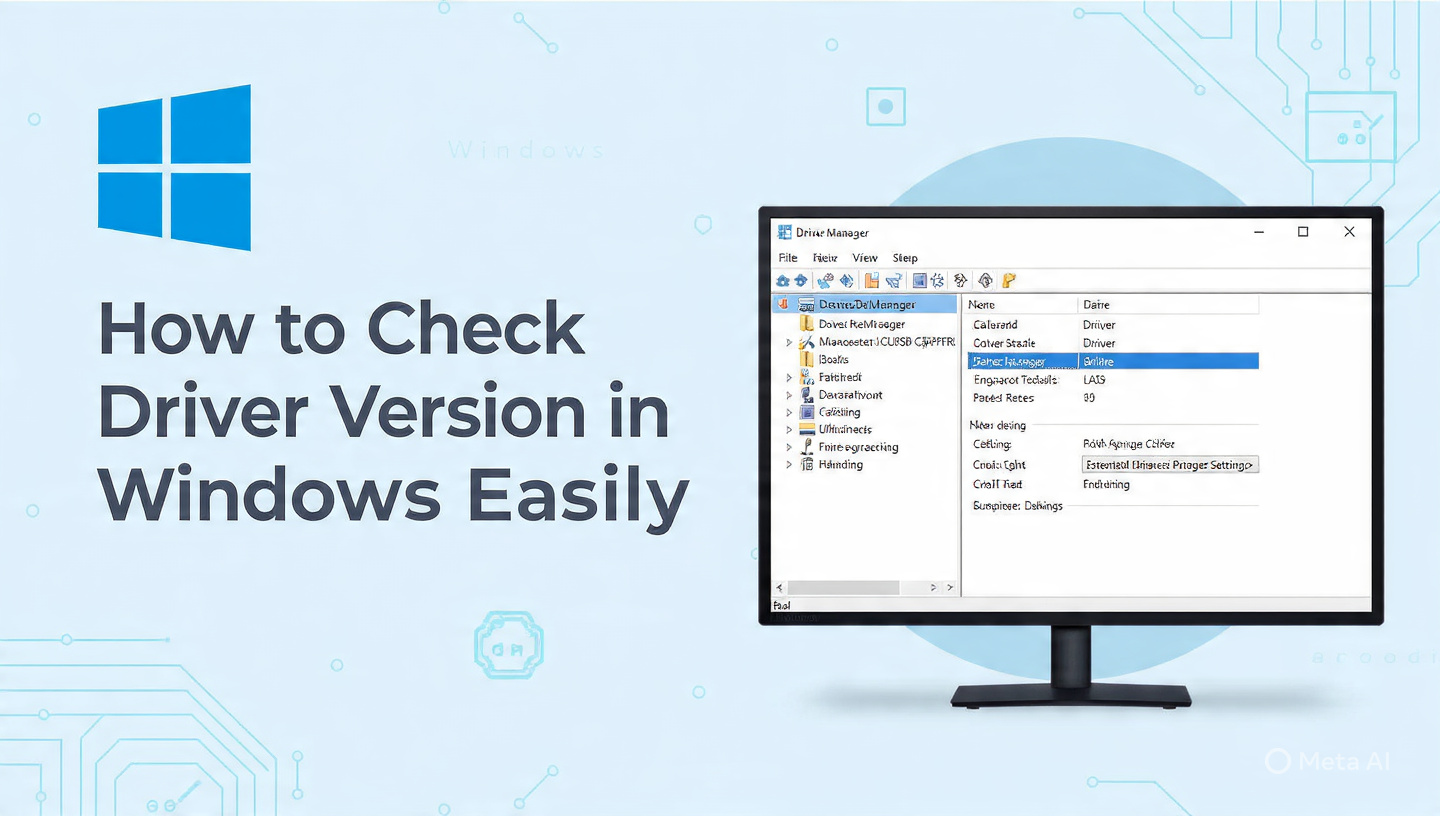
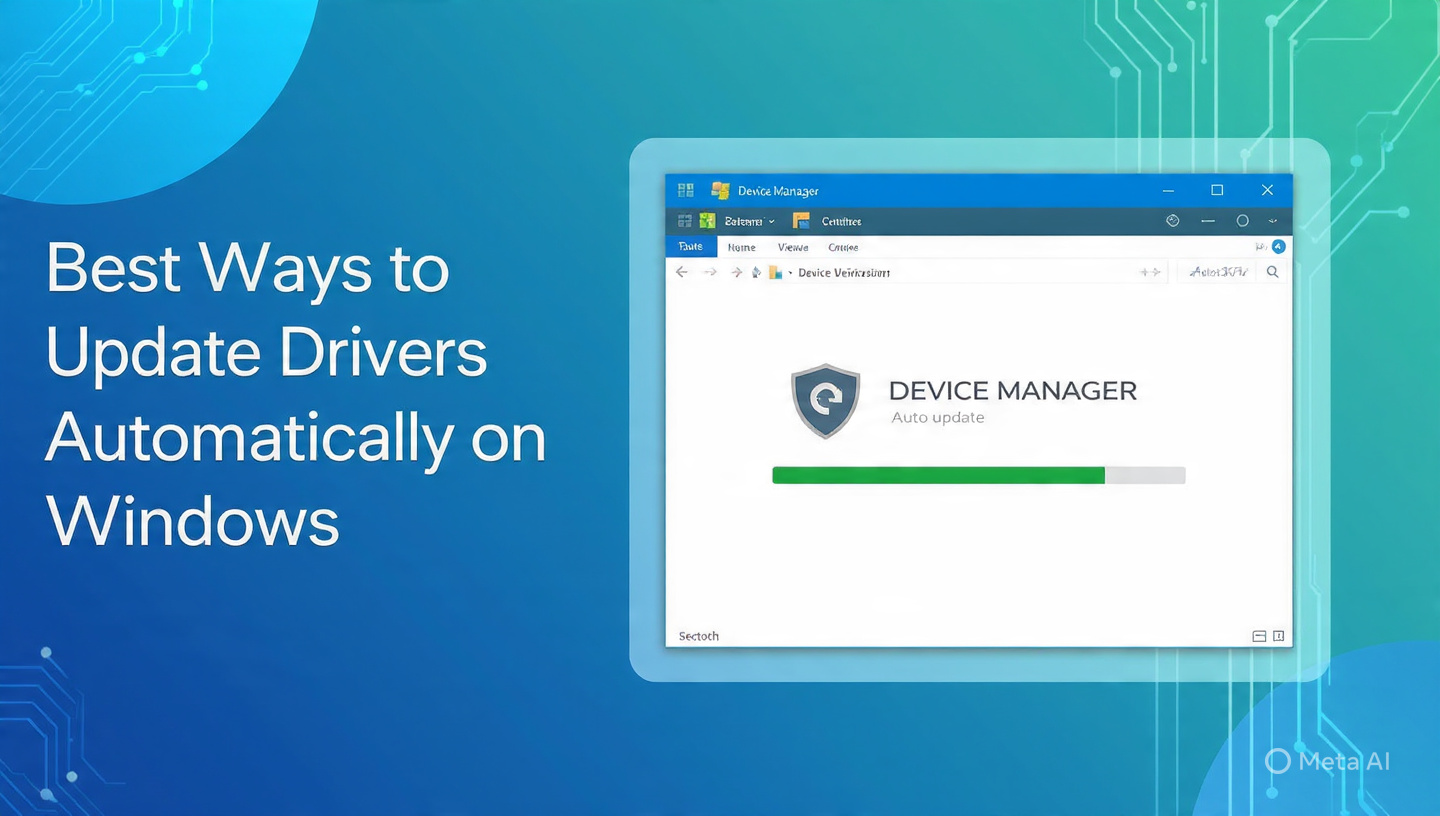
2. Update Drivers Using Device Manager
Steps:
- Press Win + X
- Open Device Manager
- Right-click device
- Select Update Driver
3. Use Windows Update
Windows automatically installs compatible drivers.
4. Download Drivers from Official Sources
- Intel: Intel Driver Center
- NVIDIA: NVIDIA Drivers
- AMD: AMD Drivers
5. Reinstall Drivers
Steps:
- Open Device Manager
- Uninstall driver
- Restart PC
6. Roll Back Drivers
If issues started after update:
- Device Manager → Properties → Roll Back Driver
7. Run System File Checker
sfc /scannow
8. Use DISM Tool
DISM /Online /Cleanup-Image /RestoreHealth
9. Check Hardware Connections
Loose connections may appear as driver issues.
10. Perform System Restore
Restore system to a previous working state.
Advanced Fixes for DRIVER ISSUES
Clean Boot Windows
Helps identify conflicting software.
Update BIOS
Improves compatibility with hardware.
Disable Driver Signature Enforcement
Useful for installing unsigned drivers.
Benefits of Fixing DRIVER ISSUES
1. Improved System Performance
2. Stable Hardware Functionality
3. Reduced Crashes
4. Better Gaming Experience
Common Mistakes to Avoid
1. Downloading Drivers from Untrusted Sources
2. Ignoring Driver Updates
3. Installing Wrong Driver Versions
4. Not Creating Restore Points
Real-World Example
A user experiences no sound due to corrupted audio drivers. After reinstalling the correct driver, the issue is resolved instantly.
DRIVER ISSUES Prevention Tips
1. Keep Drivers Updated
2. Use Official Sources Only
3. Regular System Maintenance
4. Backup Drivers
5. Avoid Unnecessary Updates
Key Insight
Most DRIVER ISSUES are caused by outdated or incompatible drivers rather than hardware failure. Proper maintenance can prevent most problems.
Frequently Asked Questions
What are driver issues?
Driver issues occur when hardware cannot communicate properly with the operating system.
How do I fix driver issues?
Update, reinstall, or roll back drivers using Device Manager.
Are driver issues serious?
They can range from minor glitches to critical system failures.
Can outdated drivers slow down my PC?
Yes, outdated drivers reduce performance and stability.
Do I need software to update drivers?
Not necessarily; Windows tools are often sufficient.
Conclusion
Understanding and fixing DRIVER ISSUES is essential for maintaining a fast and stable PC. By following the steps in this guide, you can resolve most driver-related problems and prevent future issues.
With proper driver management, your system running Microsoft Windows will perform efficiently and remain error-free.
{
“@context”: “https://schema.org”,
“@type”: “FAQPage”,
“mainEntity”: [
{
“@type”: “Question”,
“name”: “What are driver issues?”,
“acceptedAnswer”: {
“@type”: “Answer”,
“text”: “Driver issues occur when hardware cannot properly communicate with the operating system due to outdated, corrupted, or incompatible drivers.”
}
},
{
“@type”: “Question”,
“name”: “How can I fix driver issues in Windows?”,
“acceptedAnswer”: {
“@type”: “Answer”,
“text”: “You can fix driver issues by updating drivers via Device Manager, reinstalling drivers, or downloading the latest versions from official sources.”
}
},
{
“@type”: “Question”,
“name”: “Can outdated drivers cause system lag?”,
“acceptedAnswer”: {
“@type”: “Answer”,
“text”: “Yes, outdated drivers can reduce hardware performance and cause system lag or crashes.”
}
},
{
“@type”: “Question”,
“name”: “Is it safe to update drivers?”,
“acceptedAnswer”: {
“@type”: “Answer”,
“text”: “Yes, updating drivers is safe when using official sources such as Microsoft or hardware manufacturers.”
}
},
{
“@type”: “Question”,
“name”: “Do I need third-party software to update drivers?”,
“acceptedAnswer”: {
“@type”: “Answer”,
“text”: “No, Windows built-in tools like Device Manager and Windows Update are usually sufficient for updating drivers.”
}
}
]
}