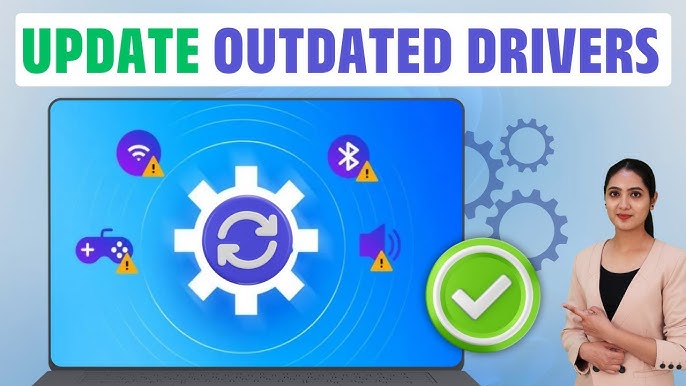

If your PC feels slow, freezes randomly, or struggles with performance, it may be time to Upgrade Windows Drivers Outdated drivers cause system lag. Many users overlook drivers, yet they play a crucial role in ensuring that your hardware and software work seamlessly together. When drivers become outdated, they can lead to compatibility issues, reduced performance, and even system crashes.
In this complete guide, you will learn why Upgrade Windows Drivers Outdated drivers cause system lag., how to identify outdated drivers, and step-by-step methods to update them for maximum performance.
Upgrade Windows Drivers Outdated Drivers Cause System Lag Explained
The phrase Upgrade Windows Drivers Outdated drivers cause system lag. highlights a critical performance issue in modern systems running Microsoft Windows.
What Are Drivers?
Drivers are software components that allow the operating system to communicate with hardware such as:
- Graphics cards
- Network adapters
- Sound devices
- Printers
Without updated drivers, your system cannot fully utilize hardware capabilities.
Why Outdated Drivers Cause System Lag
1. Compatibility Issues
New Windows updates may not work well with old drivers.
2. Reduced Hardware Performance
Outdated drivers fail to optimize hardware efficiency.
3. Increased System Errors
Driver conflicts can lead to crashes and freezes.
4. Poor Gaming Performance
Graphics drivers directly affect frame rates and rendering.
5. Network Instability
Old network drivers can cause slow internet speeds.
Signs You Need to Upgrade Windows Drivers
- Slow system performance
- Frequent crashes
- Hardware not detected
- Poor graphics or sound quality
- WiFi connectivity issues
How to Upgrade Windows Drivers (Step-by-Step)
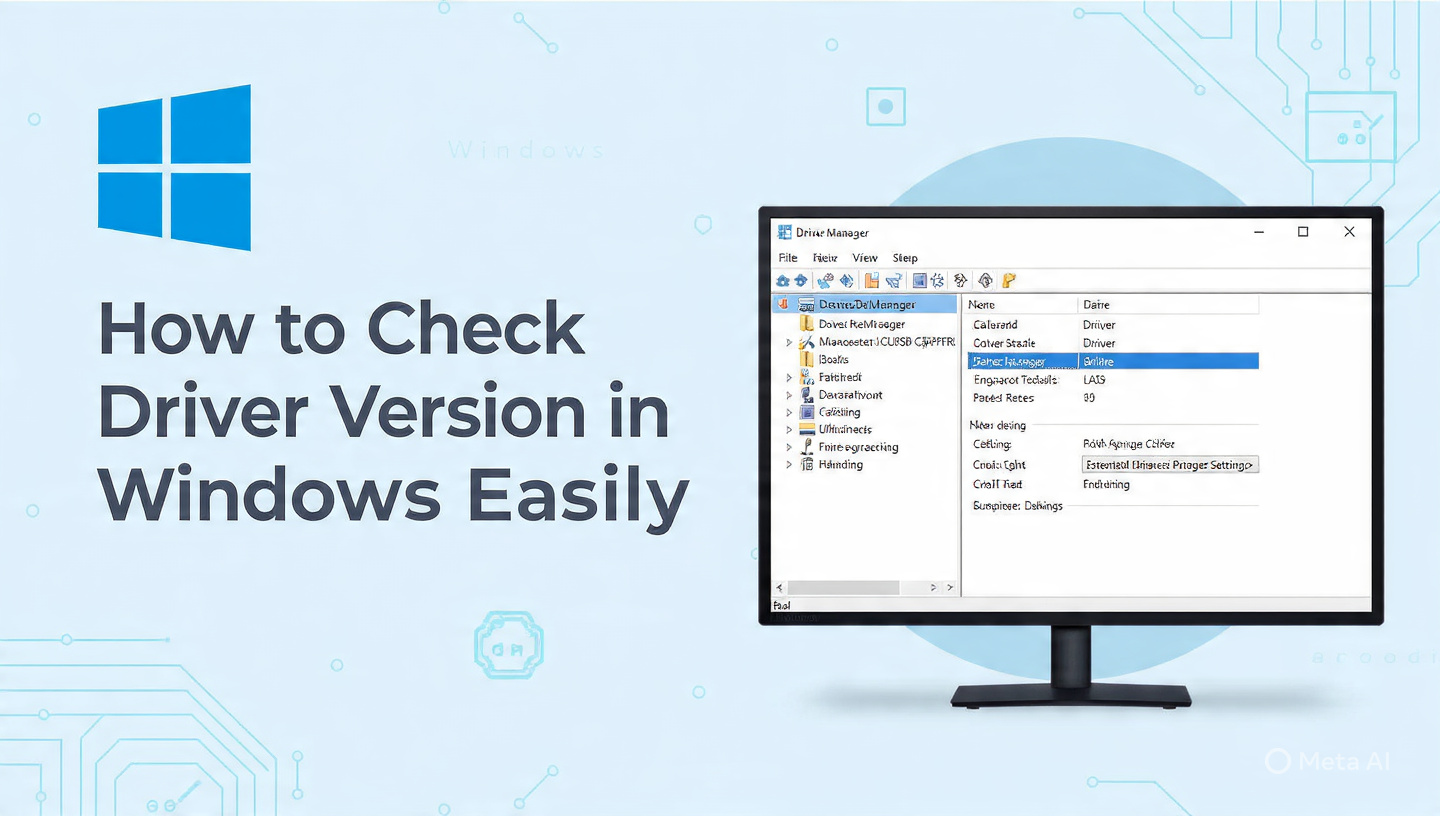
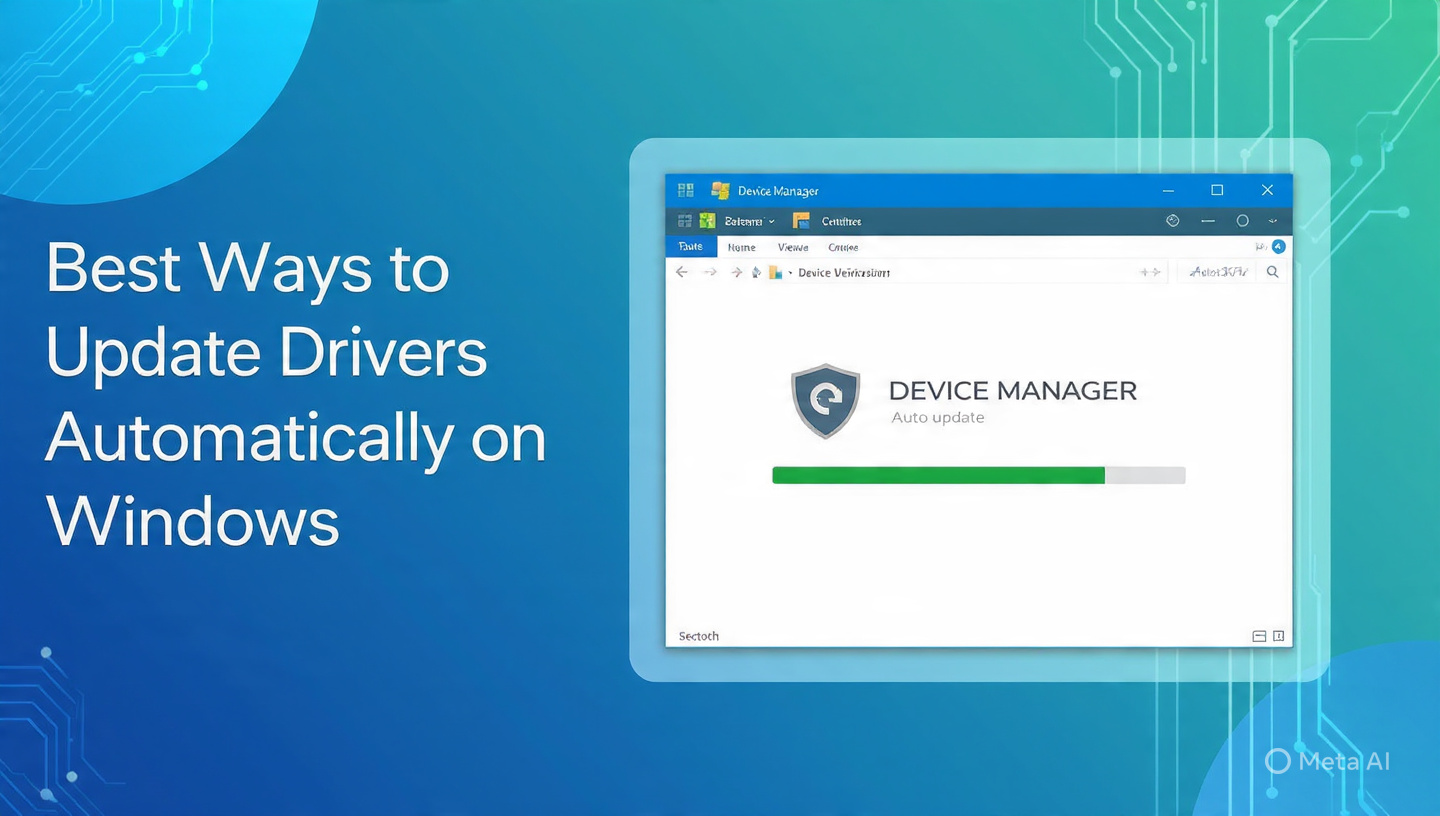
1. Use Device Manager
Steps:
- Press Win + X
- Select Device Manager
- Expand a category (e.g., Display adapters)
- Right-click device → Update driver
- Choose “Search automatically”
2. Update Drivers via Windows Update
Steps:
- Open Settings
- Go to Windows Update
- Check for updates
- Install optional driver updates
👉 Windows Update official guide
3. Download Drivers from Manufacturer Websites
Always use official sources:
- Intel: Intel Driver Center
- NVIDIA: NVIDIA Drivers
- AMD: AMD Drivers
4. Use Automatic Driver Update Tools
Some tools scan and update drivers automatically.
5. Reinstall Drivers
Steps:
- Open Device Manager
- Uninstall device
- Restart PC
Windows will reinstall drivers automatically.
Advanced Methods to Upgrade Windows Drivers
1. Update BIOS/UEFI
Improves hardware compatibility.
2. Use Manufacturer Software
Examples:
- Intel Driver & Support Assistant
- NVIDIA GeForce Experience
3. Manual Driver Installation
Download and install driver packages manually.
Benefits of Updating Windows Drivers
1. Improved System Performance
Faster and smoother operation.
2. Better Hardware Compatibility
Supports latest features.
3. Reduced System Crashes
Fixes bugs and errors.
4. Enhanced Security
Updates fix vulnerabilities.
Common Mistakes to Avoid
1. Installing Drivers from Unknown Sources
2. Ignoring Updates
3. Updating All Drivers Unnecessarily
4. Not Creating Restore Points
Real-World Example
A gamer experiences low FPS due to outdated graphics drivers. After updating drivers from the official NVIDIA site, performance improves by 40%.
Tips to Maintain Updated Drivers
- Check for updates monthly
- Use official manufacturer tools
- Enable Windows automatic updates
- Keep backup drivers
Key Insight
The statement Upgrade Windows Drivers Outdated drivers cause system lag. is a crucial reminder that drivers are the backbone of system performance. Keeping them updated ensures optimal functionality.
External Resources
- Microsoft Driver Update Info:
👉 Microsoft driver updates
Frequently Asked Questions
What are Windows drivers?
Drivers are software that allow communication between hardware and the operating system.
Why do outdated drivers cause lag?
They reduce compatibility and performance.
How often should I update drivers?
Check monthly or after major updates.
Is it safe to update drivers?
Yes, if downloaded from official sources.
Can drivers fix performance issues?
Yes, especially for graphics and network performance.
Conclusion
Understanding why Upgrade Windows Drivers Outdated drivers cause system lag. is essential for maintaining a fast and stable PC. By regularly updating your drivers, you can improve performance, fix errors, and ensure compatibility with the latest software and hardware.
With proper driver management, your system running Microsoft Windows will perform efficiently and remain free from unnecessary lag and crashes.