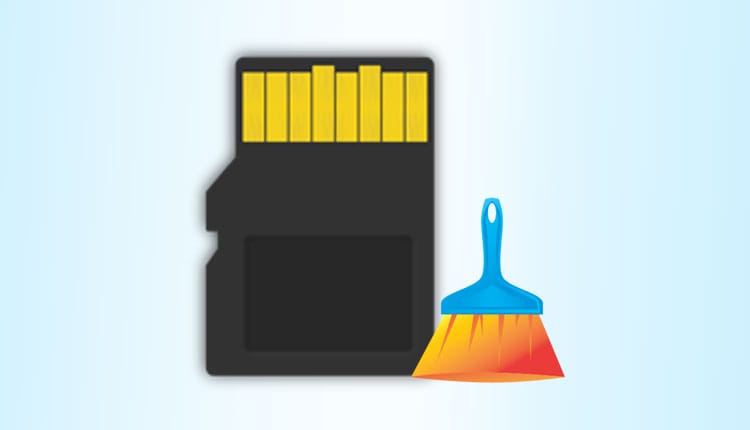
Securely wiping an SD card is an important step when you want to protect your personal data or restore the card for reuse. SD cards are widely used in many devices such as smartphones, digital cameras, drones, tablets, gaming consoles, and other portable electronics. They offer convenient and portable storage, allowing users to store photos, videos, documents, and application data.
However, there are many situations where wiping an SD card becomes necessary. For example, if you plan to sell or give your SD card to someone else, simply deleting files is not enough to protect your data. Deleted files can often be recovered using data recovery tools. Similarly, if your card becomes infected with malware or corrupted files, wiping the card completely can restore it to a clean state.
This comprehensive guide explains how to wipe an SD card safely, remove all data permanently, and ensure your personal information cannot be recovered.
What Is an SD Card?
An SD card, or Secure Digital card, is a compact flash memory device used to store digital data. These cards are widely used due to their portability, reliability, and compatibility with many devices.
Common devices that use SD cards include:
- Digital cameras
- Smartphones
- Tablets
- Action cameras
- Drones
- Laptops
- Gaming consoles
SD cards come in different formats and capacities, allowing users to choose the storage size that fits their needs.
Types of SD Cards
Before wiping your card, it is helpful to understand the different types of SD cards available.
Standard SD Cards
These are the original SD cards with capacities up to 2GB. They are mostly used in older devices.
SDHC (Secure Digital High Capacity)
SDHC cards support capacities between 4GB and 32GB and are widely used in cameras and portable devices.
SDXC (Secure Digital Extended Capacity)
SDXC cards offer large storage capacities ranging from 64GB to 2TB, making them ideal for high-resolution video recording.
MicroSD Cards
MicroSD cards are smaller versions of SD cards commonly used in smartphones, tablets, and action cameras.
Regardless of the type, the process for wiping data remains mostly the same.
Why You Should Wipe an SD Card
Wiping an SD card removes all stored data and prepares the card for a new purpose. There are several reasons why wiping a card may be necessary.
Protecting Personal Data
If you plan to sell or give away your SD card, wiping it ensures that personal photos, documents, and videos cannot be recovered.
Removing Viruses or Malware
SD cards can become infected with malware if they are used across multiple devices. Wiping the card eliminates malicious files.
Fixing File Corruption
Sometimes files on an SD card become corrupted due to improper removal or power interruptions. Wiping the card can restore normal functionality.
Preparing the Card for a New Device
Different devices may require different file systems. Wiping and formatting the card prepares it for compatibility.
Improving Card Performance
Over time, SD cards can accumulate fragmented or temporary files that reduce performance. Wiping the card restores optimal performance.
Difference Between Deleting, Formatting, and Wiping
Many users assume that deleting files removes data permanently. However, this is not always the case.
Deleting Files
Deleting files simply removes the file references. The actual data remains on the card until it is overwritten.
Formatting
Formatting deletes file structures and prepares the card for new data, but some recovery tools may still retrieve old files.
Wiping
Wiping overwrites the entire card with new data, making recovery extremely difficult or impossible.
For maximum security, wiping is the best option.
Things to Do Before Wiping an SD Card
Before wiping your SD card, there are a few important steps to take.
Backup Important Files
Ensure that you copy important files to another storage location such as:
- Your computer
- External hard drive
- Cloud storage
Once the card is wiped, the data cannot easily be recovered.
Check for Write Protection
Some SD cards have a physical lock switch that prevents modifications. Ensure the switch is in the unlocked position.
Use a Reliable Card Reader
If you are wiping the card using a computer, use a high-quality SD card reader to ensure stable connectivity.
Method 1: Wipe an SD Card Using Windows File Explorer
One of the simplest ways to wipe an SD card is by formatting it through Windows File Explorer.
- Steps to Format an SD Card
- Insert the SD card into your computer.
- Open File Explorer.
- Locate the SD card under This PC.
- Right-click the card.
- Select Format.
- Choose a file system such as: FAT32, exFAT
- Click Start.
After the process completes, the card will be empty.
Method 2: Use Disk Management
Windows Disk Management provides additional control over storage devices.
Steps
- Right-click the Start menu.
- Select Disk Management.
- Locate the SD card.
- Right-click the partition.
- Select Format or Delete Volume.
This method is useful for resolving partition issues.
Method 3: Use DiskPart Command Tool
For deeper cleaning, the DiskPart command-line utility can wipe the card more thoroughly.
Steps
- Open Command Prompt as Administrator.
- Type the following commands:
diskpart
list disk
select disk X
clean
Replace X with the number of your SD card.
The clean command removes partitions and file systems.
Method 4: Use SD Card Formatter
Some users prefer specialized tools designed specifically for SD cards.
SD Card Formatter software is designed to format SD cards according to official standards.
Benefits include:
- Proper partition alignment
- Optimized card performance
- Compatibility with cameras and mobile devices
Method 5: Securely Wipe Using Data Erasure Software
If you want to ensure your data cannot be recovered, specialized wiping software can overwrite the card multiple times.
These tools use secure deletion methods such as:
- Single-pass overwrite
- Multi-pass overwrite
- Department of Defense wiping standards
These methods are commonly used in corporate environments.
Method 6: Wipe SD Card on Android
If the SD card is inside an Android device, you can wipe it directly from system settings.
Steps
- Open Settings.
- Tap Storage.
- Select the SD card.
- Tap Format.
- Confirm the action.
The device will erase all data from the card.
Method 7: Wipe SD Card on a Camera
Many digital cameras include built-in formatting tools.
Steps
- Insert the SD card into the camera.
- Open the camera Menu.
- Navigate to Format Card.
- Confirm the action.
Formatting inside the camera ensures compatibility with the device.
How to Check if the SD Card Was Wiped Successfully
After wiping the card, verify that it is empty.
You can:
- Open the card in File Explorer
- Check storage capacity
- Scan for remaining files
If the card shows no files and full available space, the wipe was successful.
What to Do If the SD Card Cannot Be Wiped
Sometimes the card may refuse to format or wipe.
Possible causes include:
- Physical damage
- Write protection enabled
- File system corruption
- Hardware failure
Solutions include:
- Unlocking the card
- Using DiskPart clean command
- Trying a different card reader
- Running disk repair tools
If the card is physically damaged, replacement may be necessary.
Tips to Maintain SD Card Health
Proper care can extend the lifespan of your SD card.
Best practices include:
- Avoid removing the card while data is transferring
- Safely eject the card before removal
- Protect the card from heat and moisture
- Avoid filling the card completely
- Format the card periodically
These steps help prevent data corruption.
When You Should Replace an SD Card
SD cards have limited write cycles. Over time, they may wear out.
Signs that a card should be replaced include:
- Frequent read/write errors
- Files becoming corrupted
- Slow performance
- Failure to format
Replacing aging cards prevents data loss.
Security Considerations When Wiping SD Cards
If your card contains sensitive data such as financial information or personal photos, secure wiping is essential.
For highly sensitive data, consider:
- Multi-pass wiping
- Physical destruction
- Encryption before deletion
These methods prevent unauthorized data recovery.
Conclusion
SD cards provide convenient and portable storage for many devices, but there are times when wiping them becomes necessary. Whether you are selling your card, removing malware, fixing corruption, or preparing the card for a new device, wiping ensures that all stored data is removed safely.
Simple formatting methods work for everyday use, while secure wiping techniques provide stronger protection against data recovery. By following the steps outlined in this guide, you can effectively wipe your SD card and protect your personal information.
Regular maintenance, safe handling, and proper formatting practices will also help extend the lifespan of your SD card and keep your data secure.