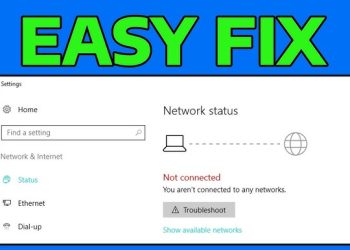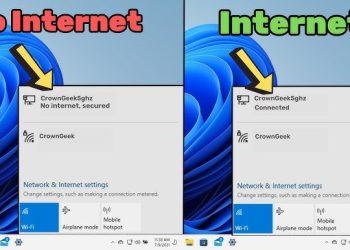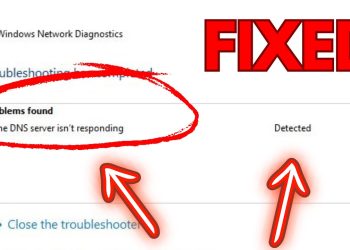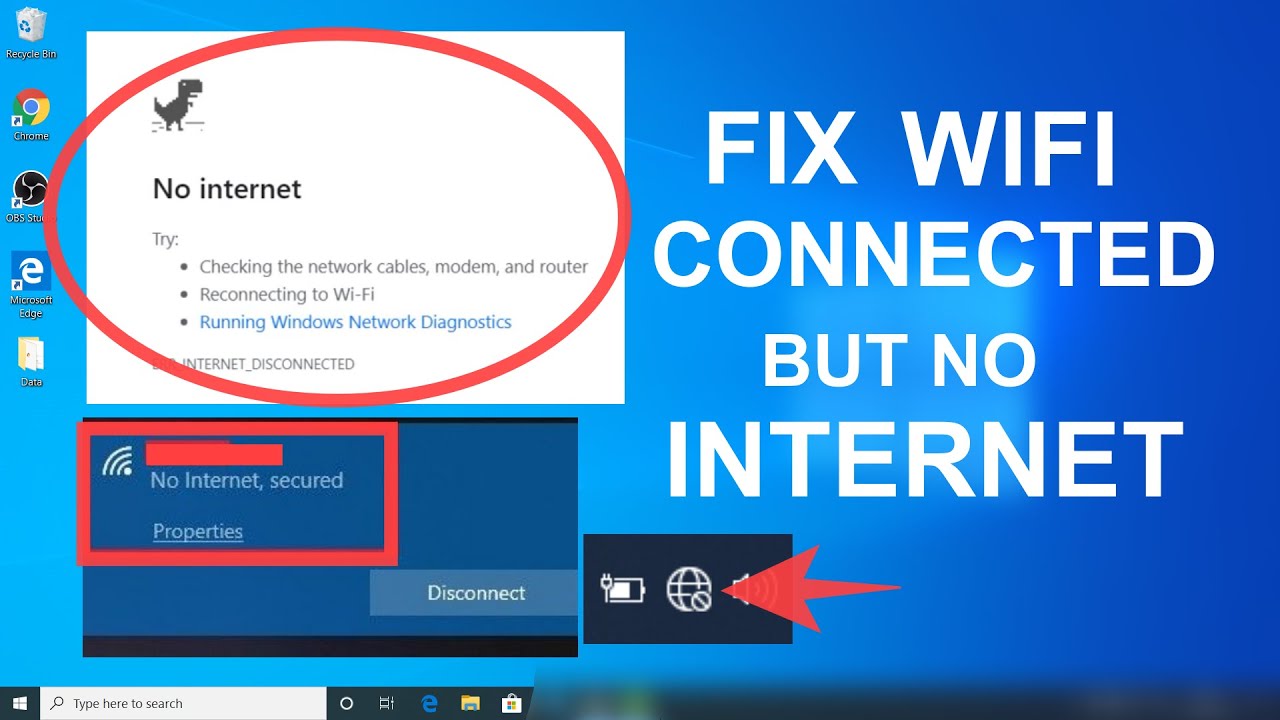
One of the most frustrating problems you can face on your computer is being connected to WiFi—but having no internet access. The “WiFi connected but no internet” issue in Windows is very common and can disrupt your work, streaming, or browsing experience.
Even though your device shows a successful connection, you may not be able to load websites or use online apps. The good news is that this issue is usually easy to fix.
In this complete guide, you’ll learn the causes and step-by-step solutions to restore your internet connection quickly.
What Does “WiFi Connected But No Internet” Mean?
This message indicates that:
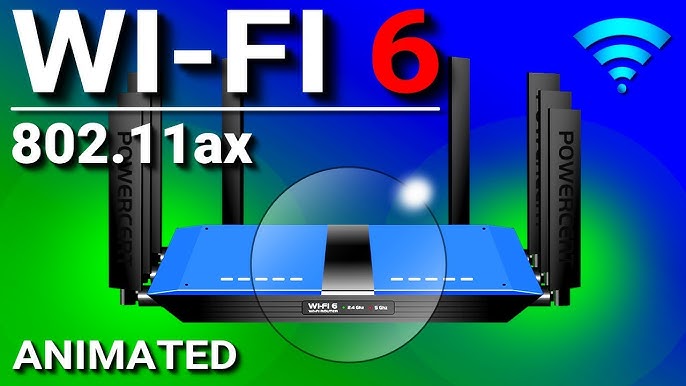
- Your device is connected to a router
- But the router is not providing internet access
Common Causes of the Issue
1. Router or Modem Problems
Temporary glitches can interrupt internet access.
2. Incorrect Network Settings
Misconfigured IP or DNS settings.
3. Outdated Network Drivers
Drivers may not function properly.
4. ISP Issues
Your internet provider may have outages.
5. Firewall or Antivirus Blocking
Security software may block connections.
6. Corrupted Network Cache
Stored data can cause conflicts.
Quick Fixes to Try First
Restart Your Router
Turn it off for 30 seconds and restart.
Restart Your Computer
Clears temporary network issues.
Check Other Devices
See if internet works on another device.
Method 1: Run Network Troubleshooter
Steps:
- Open Settings
- Go to Network & Internet
- Click Status → Network Troubleshooter
- Follow instructions
Method 2: Reset Network Settings
Steps:
- Open Settings
- Go to Network & Internet
- Click Advanced network settings
- Select Network reset
- Restart PC
Method 3: Renew IP Address
Steps:
- Open Command Prompt (Admin)
- Run:
ipconfig /release ipconfig /renew - Restart your PC
Method 4: Flush DNS Cache
Steps:
- Open Command Prompt (Admin)
- Run:
ipconfig /flushdns - Restart system
Method 5: Change DNS Server
Steps:
- Open Control Panel
- Go to Network and Sharing Center
- Click Change adapter settings
- Right-click WiFi → Properties
- Select Internet Protocol Version 4
- Use:
- Preferred DNS: 8.8.8.8
- Alternate DNS: 8.8.4.4
Method 6: Update Network Drivers
Steps:
- Press Windows + X
- Open Device Manager
- Expand Network adapters
- Update drivers
Method 7: Disable Proxy Settings
Steps:
- Open Settings
- Go to Network & Internet → Proxy
- Turn off proxy server
Method 8: Disable Antivirus Temporarily
Some antivirus programs may block internet access.
Turn it back on after testing.
Method 9: Reset TCP/IP Stack
Steps:
- Open Command Prompt (Admin)
- Run:
netsh int ip reset - Restart PC
Method 10: Check ISP Status
- Contact your provider
- Check for outages
Advanced Troubleshooting
Check Router Settings
- Reset router to default
- Update firmware
Use Ethernet Cable
- Test wired connection
- Identify WiFi-specific issues
Preventing This Issue
Keep Drivers Updated
Ensures stable connections.
Restart Router Regularly
Prevents connection issues.
Use Reliable Antivirus
Avoid blocking connections.
Monitor Network Usage
Avoid overload.
Common Mistakes to Avoid
Ignoring Router Issues
Problem may not be your PC.
Using Wrong DNS Settings
Incorrect configuration can block access.
Skipping Troubleshooter
It can quickly detect issues.
Real-World Example
Imagine connecting to WiFi and seeing full signal strength, but no websites load. After flushing DNS and renewing your IP address, the internet starts working again instantly.
Frequently Asked Questions
Why am I connected but no internet?
Usually due to router, DNS, or IP issues.
Can DNS fix internet problems?
Yes, changing DNS often helps.
Is it a hardware problem?
Sometimes, but often it’s software-related.
Conclusion
The WiFi connected but no internet Windows issue can be frustrating, but it’s usually easy to resolve. By resetting network settings, updating drivers, and checking your router, you can restore your connection quickly.
Regular maintenance and proper network configuration will help prevent this issue in the future, ensuring a smooth and stable internet experience.